







Search Results for: Iced Spanish Latte

Step-by-step illustrated tutorial: detailed preparation steps and recipe ratios for iced Spanish latte
The Spanish Latte is a popular drink in the coffee world that combines condensed milk with coffee. The sweet, smooth condensed milk meets rich espresso, creating a layered and complex taste experience. Today, Front Street Coffee will guide you step by step through making an iced version of the Spanish Latte. The whole process is not complicated—you just need to prepare a 300ml cup, condensed milk, milk, ice cubes, and a shot of espresso. From layering condensed milk at the bottom of the cup, adding ice and pouring in milk, to pulling the espresso and stirring everything together, the ratio of ingredients for each step and the detailed tips from Front Street Coffee will be explained one by one, helping you easily recreate a café-quality icy, dessert-like coffee at home. [more…]
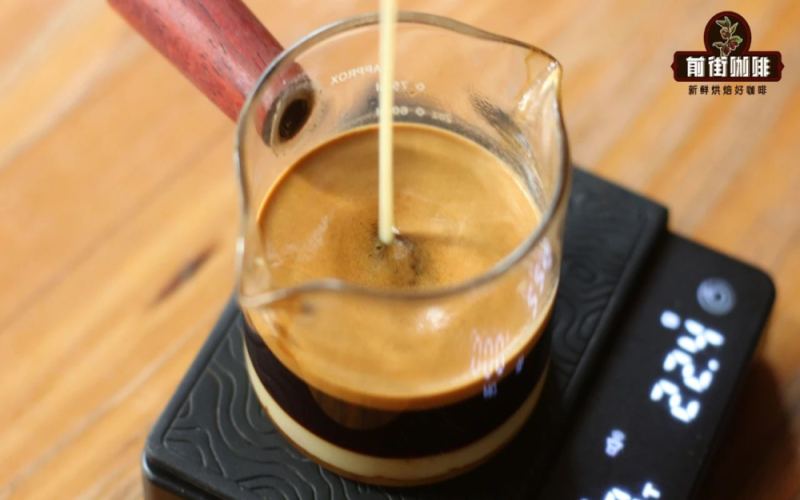
How to Make a Spanish Latte? An Analysis of the Ratio of Condensed Milk to Espresso and the Flavor Differences from a Regular Latte
On café menus, the Spanish latte has been appearing frequently in recent years—so what exactly sets it apart from an ordinary latte? This article starts with two condensed-milk coffees, Vietnamese drip coffee and the Spanish Café Bombón, sorts out the role condensed milk plays in coffee, and then explains in detail the recipe ratios for a Spanish latte, both hot and iced methods, as well as the flavor performance brought by the blend beans used in Front Street Coffee shops. If you're curious about how condensed milk balances coffee's bitterness and what the essential difference is between a Spanish latte and a latte, this article will give you clear answers. [more…]
How to Make a Spanish Latte? A Detailed Guide to Recipes, Ratios, and Standard Methods from Condensed Milk Coffee to Café Bombón
Adding condensed milk to coffee has long ceased to be a practice unique to Southeast Asia. Vietnamese drip coffee uses condensed milk to neutralize the bitter, burnt notes of Robusta, while Spain's Café Bombón strikes a stark black-and-white contrast by combining espresso and condensed milk in a one-to-one ratio. Today's wildly popular Spanish Latte on café menus is simply a regular latte with condensed milk added, balancing espresso, fresh milk, and condensed milk in harmony. This article begins with the origins of condensed milk coffee, sorts out the differences between a Spanish Latte and a regular latte, and provides specific ratios, step-by-step instructions, and flavor profiles for both hot and iced versions, helping you reliably recreate this rich, silky milk coffee at home. [more…]
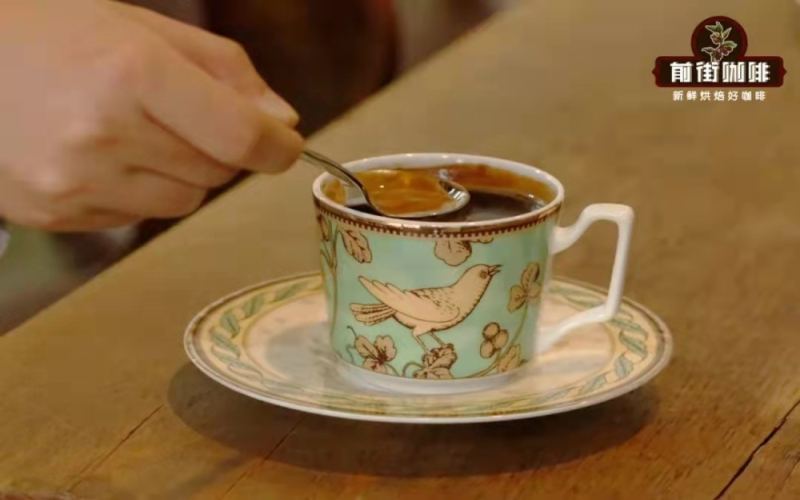
A Complete Guide to Spanish Coffee Culture: Nine Classic Drinks and the Unique Charm of Condensed Milk Coffee
Coffee presents vastly different appearances around the world, and Spain's coffee culture is particularly unique. From Café solo to Café con leche, from Café Bombón to Spanish latte, this Iberian Peninsula nation ingeniously combines coffee with condensed milk, milk, and alcohol, creating a rich and diverse array of drinking styles. Spanish cafés are not only places to drink coffee, but also the core stage of social life. This article will take you deep into the historical origins of Spanish coffee, nine classic flavors, and Front Street's insights on recreating the Spanish latte and Café Bombón, so you can feel coffee's soulful place in Spanish culture. [more…]
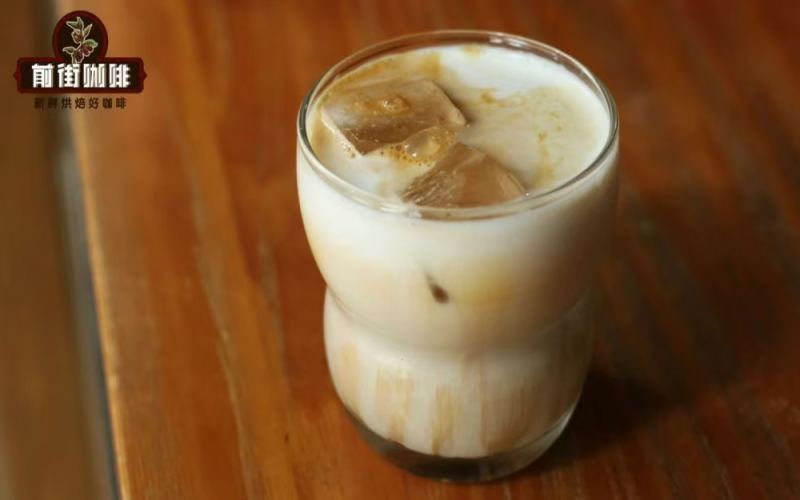
Spanish Latte Recipe | Can You Add Condensed Milk to Black Coffee? What's the Difference Between a Spanish Latte and a Regular Latte? What's the Milk-to-Coffee Ratio in a Spanish Latte?
Today, the menus in coffee shops are rich and diverse, and in order to cater to more people's tastes, adding various dairy products and flavored syrups to coffee is also very common. So have you ever heard of coffee with condensed milk? Adding condensed milk is to mask the strong bitterness in coffee. In Vietnam, the aroma of coffee drifts through the streets and alleys. [more…]

Flavor characteristics and making method of Spanish Latte: How is it different from a regular latte?
Spanish Latte has gained popularity in recent years with the expansion of %Arabica, but it has no direct connection to Spain itself; instead, it is closer to the condensed milk style of Vietnamese drip coffee. This drink consists of espresso, milk, and condensed milk, essentially a latte with condensed milk added. The Middle East particularly favors this sweet coffee, with sales of Spanish Latte in the UAE even accounting for half of the country's coffee consumption. To make it, extremely finely ground coffee powder is needed, extracted through a moka pot or a portable espresso machine. Front Street Coffee recommends using "Front Street Sunflower Warm Sun Blend Coffee Beans," which can bring rich layers of wine aroma, berry, vanilla cream, and nutty caramel. After extraction, add condensed milk and stir, and you can enjoy the sweet and rich Spanish Latte. [more…]

What Is Café Bombón, the Spanish Condensed Milk Espresso? How to Make a Spanish Latte at Home with Recipe Ratios
Many people find coffee's bitterness hard to stomach, so milk, sugar, and condensed milk are often used to balance the flavor—Vietnamese drip coffee is the classic example of condensed milk coffee. But this article is about a regional specialty from Valencia, Spain: Café Bombón. It uses only two ingredients, condensed milk and espresso, and is simple to make, visually appealing with its layers, and tastes sweet, fragrant, and smooth. The Spanish latte offered by chain brands is very likely a derivative of this coffee. Front Street Coffee will break down the meaning of Café Bombón, how it differs from a Spanish latte, and provide specific ingredients, ratios, extraction parameters, and preparation steps, along with recommended Front Street Coffee espresso beans to pair with it, so you can recreate this sweet, rich Spanish-style coffee at home. [more…]

The Origins and Recipes of Spanish Latte and Café Bombón, Plus an Analysis of Valencia Condensed Milk Coffee's Taste
Adding sugar or milk to coffee has long been commonplace, but pairing coffee with condensed milk is equally distinctive. This article begins with the basic concept of condensed milk, first introducing the condensed milk approach to Vietnamese drip coffee, then focusing on Café Bombón from Valencia, Spain, explaining its simple 1:1 recipe of espresso and condensed milk and the layering principle, before extending to the familiar Spanish latte—which actually has no ties to Spain, but is simply a latte combined with condensed milk. The article also explains that making a Spanish latte calls for full-bodied Italian-style beans, and recommends Front Street Coffee's commercial blend, which combines Brazil and Colombia with a small amount of Robusta, presenting nutty aromas and a low-acid, full-bodied taste. [more…]

Spanish Latte Didn't Originate in Spain? The Birthplaces of Ice Drip and Cold Brew, and the Beautiful Misunderstanding Behind the Name Arabica
There are quite a few interesting trivia facts hidden in the world of coffee: the Spanish latte is actually not a native Spanish drink, but originates from a candy coffee called Café Bombón; the inventor of cold brew coffee was not Japanese either, but the Dutch of the Age of Discovery. Although the cold drip tower is a Japanese improvement, the roots of cold brew as an extraction method lie in the West; and the name Arabica stems from a beautiful misunderstanding—it rose to prominence in Yemen, yet it did not originate in Arabia. Its true homeland is Ethiopia. This article guides you through these coffee trivia facts one by one, while retaining relevant recommendations from the Front Street brand for coffee enthusiasts to gain a deeper understanding. [more…]
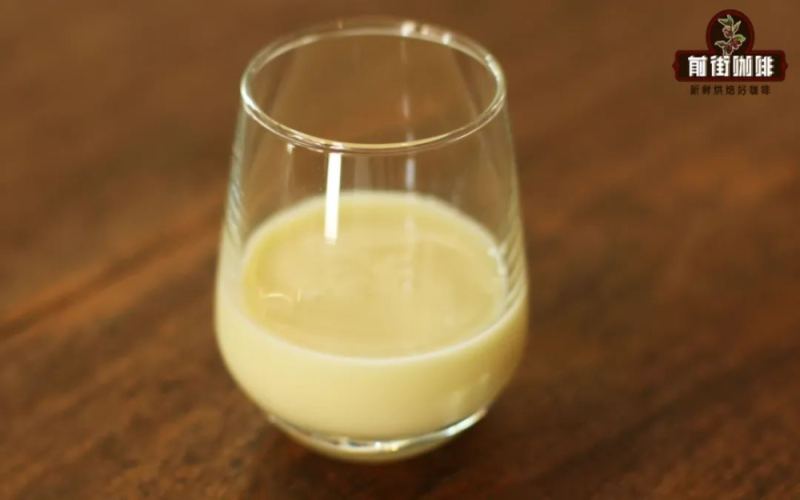
Spanish Latte Recipe Features and Origins: From Condensed Milk Espresso Craft to the Vietnamese Drip Coffee Connection
In recent years, the Spanish latte has set off a craze in China's coffee scene. With condensed milk as its core ingredient, it has a rich and sweet taste and is deeply loved by fans of milk coffee. But did you know that the birth of this cup of coffee is actually inextricably linked to Vietnamese drip coffee? Starting from the production principles of condensed milk, this article will sort out the flavor characteristics and origin of the Spanish latte, as well as its ties to Vietnamese coffee culture, while also introducing how %Arabica brought this drink into the public eye. The article also includes store information for Front Street Coffee, providing a reference for readers who want to taste it in person. [more…]

The Other Side of Your Daily Cup: From Alertness to Laxative Effects, These Gut Reactions Are Worth Noting
For today's young people, coffee has long been woven into the rhythm of daily life—whether for a caffeine boost, socializing, or fitness, everyone has their own reasons. Yet for some, the purpose of their daily cup is rather unusual: relieving constipation. From Luckin's new drink being jokingly dubbed a "diarrhea-inducing whiz" by netizens, to similar feedback frequently received for drinks from brands like Starbucks, Mstand, %Arabica, and Manner, the relationship between coffee and bowel movements has sparked widespread discussion. Is this a food safety issue, or is it down to individual differences such as lactose intolerance or the stimulating effect of iced drinks? This article will analyze the phenomenon from multiple angles to help coffee lovers view their daily cup more rationally. [more…]
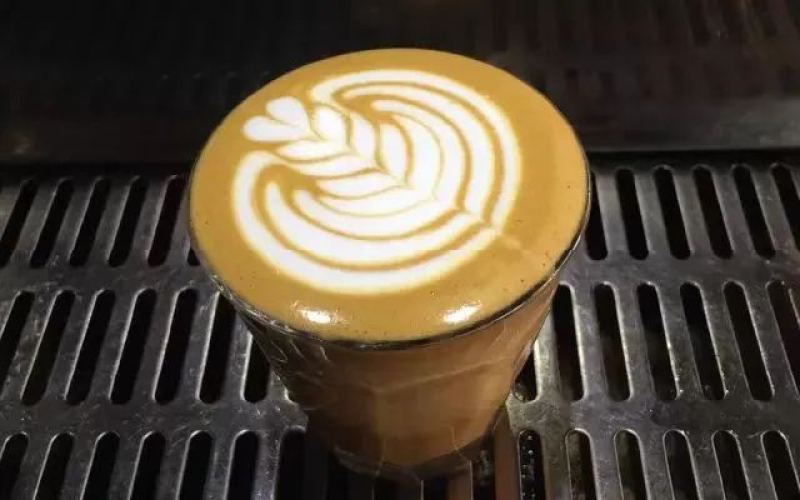
Spanish Cortado Coffee: A Balanced 1:1 Espresso and Hot Milk Drink and Its Flavor Characteristics
In the espresso family, Espresso can be transformed into countless drinks, and today Front Street wants to talk about the Cortado, which is one of them. It comes from the Basque region of Spain, and is made by using an equal amount of hot milk to "cut" the strong bitterness of the espresso, while still letting the coffee aroma take center stage. Compared with the piccolo latte, which is also a small cup, the Cortado has a stronger coffee flavor, with milk only playing a supporting role. This article will take you through the origin of the Cortado's name, its classic 1:1 ratio, the interesting story of how its milk foam evolved, and how it differs from the piccolo in terms of recipe and taste. If you also like adding a little milk to your espresso, then you may have already had a Cortado. [more…]
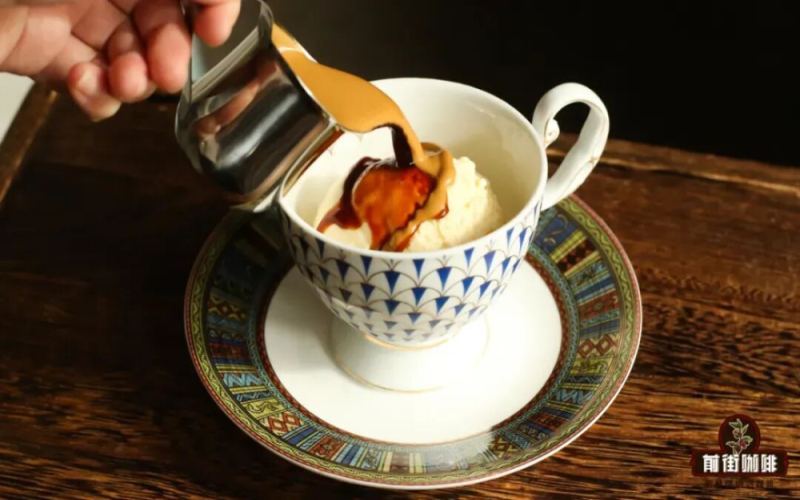
Why Is Affogato So Hard to Find in Cafés? From Its Origins to Preparation, Learn to Pair Ice Cream with Espresso
Affogato is a classic Italian dessert made by pouring espresso over ice cream, winning countless fans with its unique texture of hot and cold intermingling and the clash of bitter and sweet. Yet, walk into most coffee shops and it's hard to find it on the menu, and behind this lie issues of name recognition and taste acceptance, as well as business owners' cost considerations. This article takes you through the origins and development of Affogato, analyzes the three reasons it is rarely seen in coffee shops, and shares tips on bean selection, extraction, and ice cream pairing to easily recreate it at home. At the end, there's a hands-on demonstration from Front Street Coffee, using the Autumn Chestnut Blend to make a cup of Affogato that boasts both good looks and flavor. [more…]
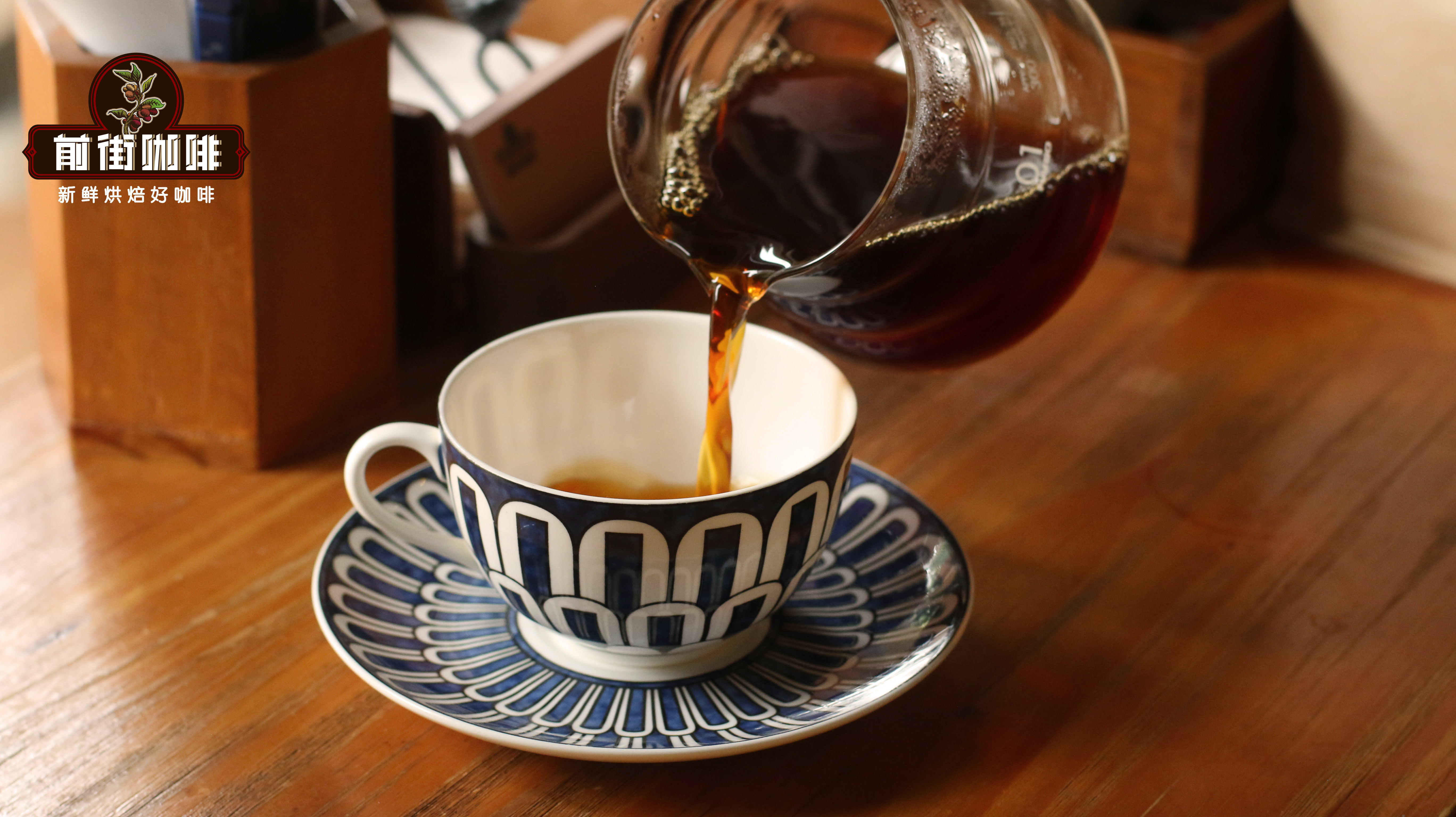
The Historical Origins of Colombian Coffee and the Specialty Flavors of the Huila Region: From Front Street Coffee's Everyday Beans to Chiroso Cold Brew
Although Colombia is not a large country, it is a major coffee-producing powerhouse, second only to Brazil in global Arabica coffee production. From the early eighteenth century when Spanish missionaries brought coffee to this land, to the formation of a smallholder industry structure after the Thousand Days' War, and then to the establishment of FNC in 1927, Colombian coffee has traveled a tumultuous road. This article will take you through the historical threads of Colombian coffee and provide an in-depth interpretation of the most renowned Huila region—where volcanic ash soil gives the coffee refined fruit acidity, nutty flavors, and a caramel finish. Front Street Coffee selects high-altitude washed Huila as an everyday beans, with a medium-dark roast suitable for various extraction methods; in addition, there are Finca La Divisa's Ombligon and Sidra, the latter of which helped a competitor win the 2019 WBC championship. At the end of the article, the preparation steps for Sidra cold brew iced coffee are included for enthusiasts' reference. [more…]
What's the Difference Between a Cortado and a Piccolo? One Article Explains the Origins, Recipe, and Evolution of This Little-Known Spanish Espresso Milk Drink
Among the wide variety of espresso-based milk coffees, the Cortado is a rather obscure presence—it is made simply by mixing espresso with hot milk in proportion, simple to prepare yet outstanding in flavor. Originating from the Basque region of Spain, this drink, with its 1:1 ratio of coffee to milk, reduces the heaviness of the espresso while preserving its rich coffee aroma, and is popular in Spain, Portugal, Cuba, and elsewhere. As it spread, it was continually adapted in different countries, also giving rise to classic variations such as the Gibraltar. This article walks you through the origins of the Cortado, its traditional preparation, its evolution across regions, and how it differs from the similar-looking, equally small-cup Piccolo coffee. [more…]
Can cheese be integrated into an Italian-style milk coffee? A step-by-step guide to making a savory cheese latte special.
In the depth of winter, nothing is more longed for than a steaming cup of specialty latte. After chocolate mocha, Spanish condensed milk latte, and apple cinnamon latte have taken their turns in the spotlight, coffee lovers have set their sights on an ingredient that seems completely unrelated—cheese. The rich creamy aroma and distinctive salty umami of cheese happen to fill the gap in body and complexity that latte needs. This article focuses on salted cheese latte, starting with why cheese is suited for coffee, then explaining the approach to selecting ingredients, and finally providing complete step-by-step instructions along with Front Street Coffee's bean recommendations, so you can recreate a cheese specialty drink with interwoven salty and sweet notes and a multidimensional mouthfeel right at home. [more…]

Front Street Coffee Complete Knowledge Collection: A Coffee Learning Guide and Practical Manual from Beginner to Advanced
The Front Street official account has insisted on daily updates for many years, accumulating a massive amount of educational content covering every area of coffee. From the origins of coffee beans to the birth of a finished cup of coffee, from basic terminology to advanced brewing techniques, the articles have touched on virtually every question a coffee lover might encounter. This article reorganizes that content along a learning path, dividing it into sections such as must-reads for beginners, tasting methods, brewing techniques, advanced improvement, and Front Street's random musings on industry topics, making it easy for readers to quickly locate the knowledge they need based on their own stage, and also convenient for systematically filling in gaps. Whether you are a novice just getting into coffee or an advanced player hoping to hone your skills, you can find corresponding content here. [more…]
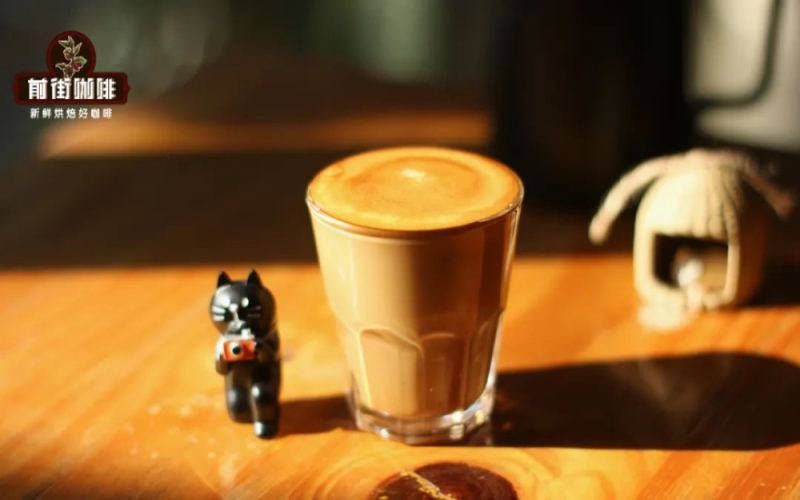
What is a Cortado coffee? From the Basque Country of Spain to the global evolution and preparation comparison of espresso milk coffees
Cortado is a mini espresso milk coffee originating from the Basque region of Spain, with a name derived from the Spanish word "cortar," meaning "to cut." It uses a small amount of steamed milk to "cut into" espresso, forming a classic ratio of 1:1 or 1:0.5, with a very small cup size, and typically without frothing the milk or retaining only an ultra-thin milk foam. As Cortado spread to Saudi Arabia, Costa Rica, Italy, Malaysia, and other places, local baristas continuously adjusted the recipe according to local tastes, giving rise to modified versions like Blue Bottle's Gibraltar and Cuba's Cortadito. In this article, Front Street Coffee breaks down the traditional characteristics of Cortado, its global variations, and compares its recipe and flavor with Piccolo coffee, helping coffee enthusiasts clarify the unique features of this lesser-known espresso coffee. [more…]

%Arabica launches a Vancouver Latte but hasn't opened a store there; the maple-flavored name sparks heated discussion among Chinese Canadians.
Coffee brand %Arabica recently launched a winter limited-edition new product, the "Vancouver Latte," featuring Canadian maple syrup, priced at 46 yuan, and has created themed stores in six cities nationwide. However, this coffee named after Vancouver has sparked collective teasing from local Chinese netizens because the brand has no branch in Vancouver. The new product is said to have very little actual flavor connection to Vancouver and is more like a sweetened hot latte. This article sorts out the new product information, naming logic, and netizen reactions, and reviews Arabica's past product strategy of naming products after cities, providing reference for coffee enthusiasts. [more…]

A World Tour of the Milk Coffee Family: Bean Pairings for Seven Kinds of Milk Coffee
Latte is just one member of the milk coffee family—from Rome's cappuccino to Melbourne's flat white, from Spain's cortado to Vietnam's egg coffee, "coffee with milk" has evolved into a vast family across the globe. Each milk coffee is a unique local cultural solution to the ratio of milk fat, and behind each solution lies a different [more…]